
Members
The Collaborative is a regional network open to scholars and students of all disciplines who work on Central America and are located in the Gulf Coast region. If you are interested in joining the Collaborative, please contact us.
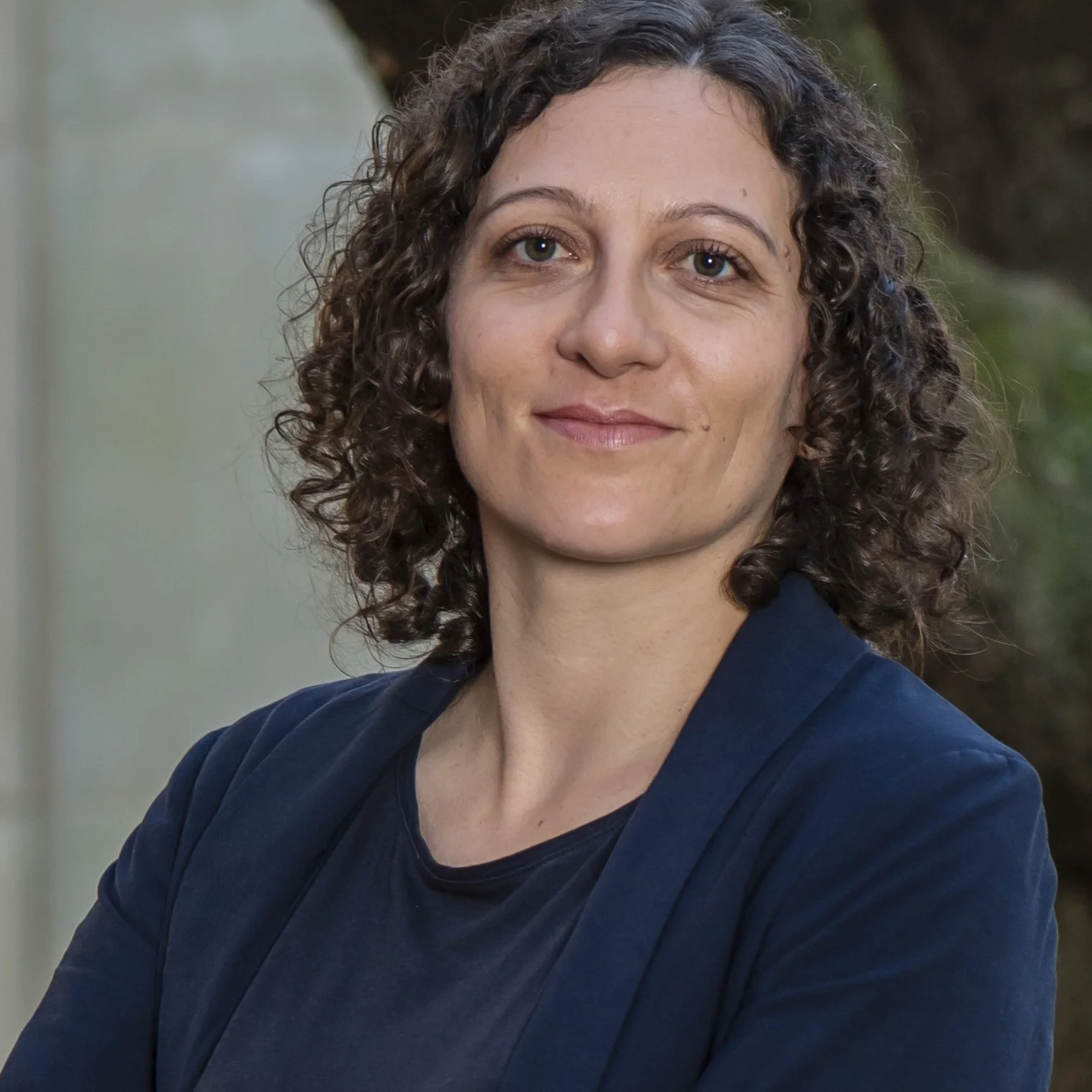
Sophie Esch
Sophie Esch is an associate professor at Rice, who specializes in Central American and Mexican literatures. She is the author of Modernity at Gunpoint. Firearms, Politics and Culture in Mexico and Central America (2018) and the editor of Central American Literatures as World Literature (2023). She founded the Third Coast Central America Collaborative. More info

Justin Wolfe
Justin Wolfe is an associate professor of History at Tulane University who specializes in Central America history, with an emphasis on popular politics, race and ethnicity, and empire over the long nineteenth-century. He is the author of The Everyday Nation-State: Community and Ethnicity in Nineteenth-Century Nicaragua (2007) and co-editor of Blacks and Blackness in Central America: Between Race and Place (2010). For more information, see: https://liberalarts.tulane.edu/history/people/faculty-staff-name/justin-wolfe
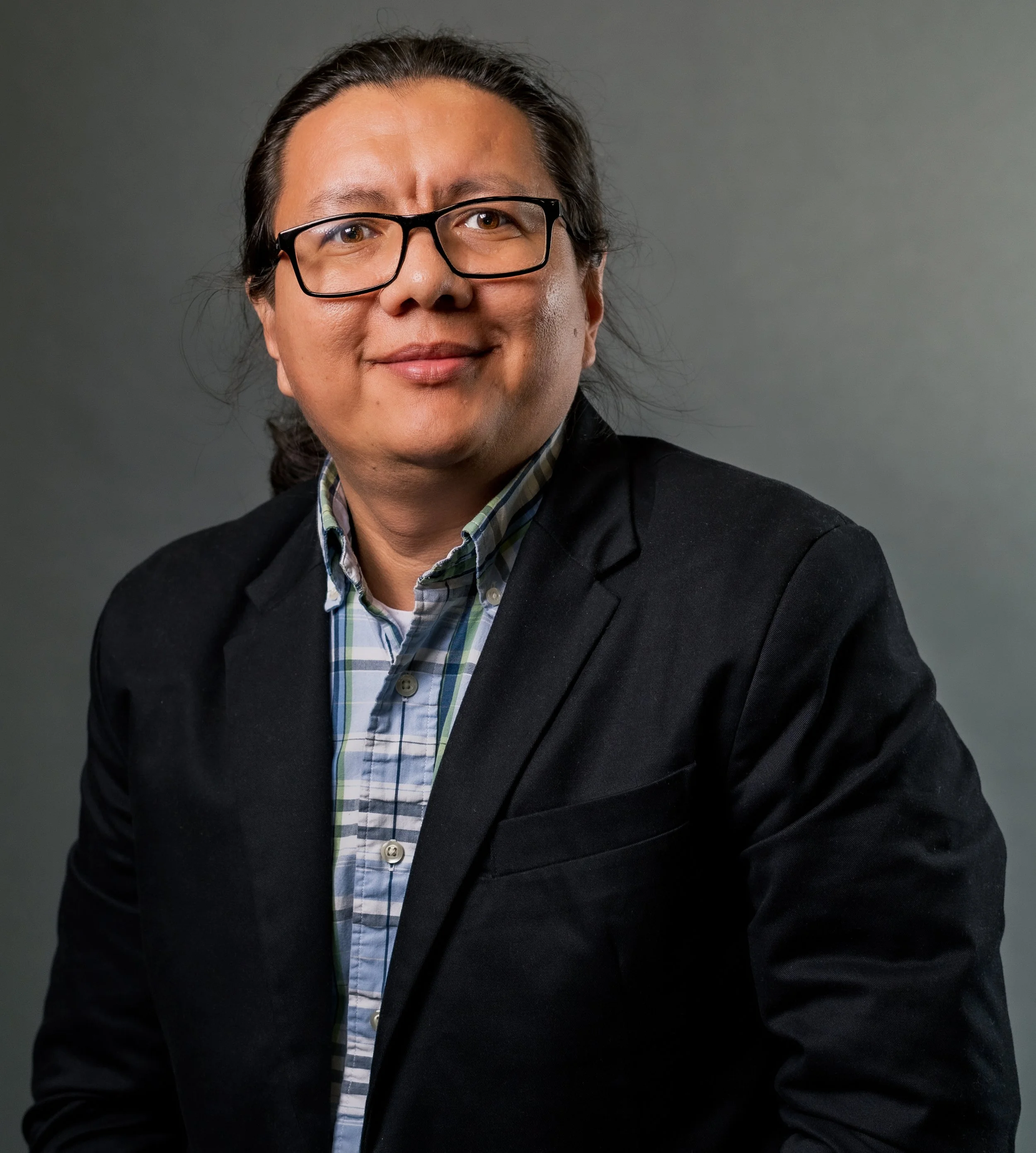
Missael Duarte
Missael Duarte is a researcher and writer specializing in contemporary Mexican, Central American, and Brazilian literature. He is the author of Cuerpo fragmentado (2024) and Canvas of the Otherness (2012), and has published with World Literature Today and Routledge. For more information, see: https://www.lsu.edu/hss/wllc/faculty/Faculty_Pages/somoza.php
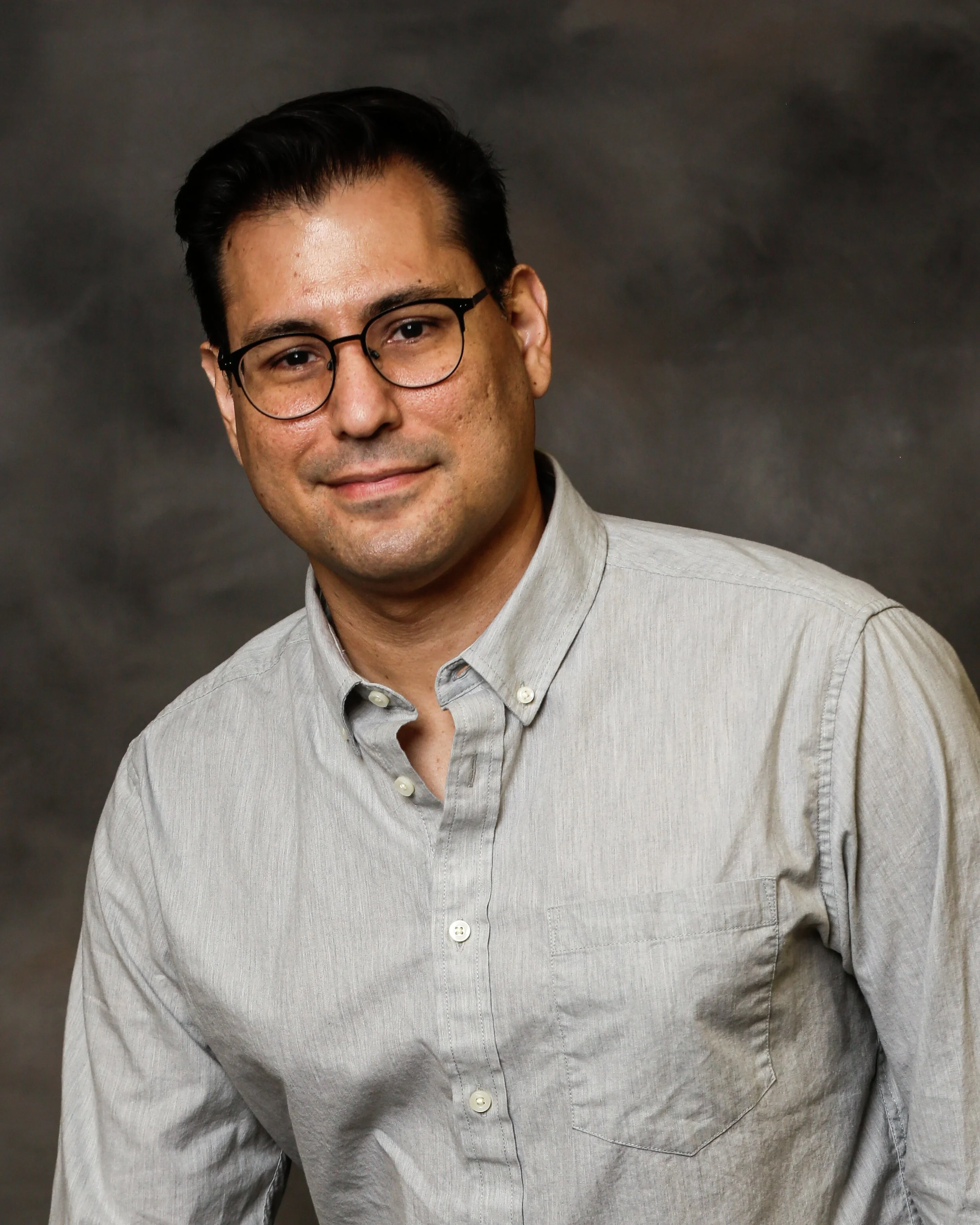
Andrés R. Amado
Andrés R. Amado specializes in the study of art, popular, and traditional musics of Central America and U.S. Latines from the 19th century to the present, and culturally sustaining pedagogies. His research draws connections between music and nationalism, transnationalism, postcolonialism, and identity. He has published articles, book chapters, and dictionary and encyclopedia entries in English and Spanish as author, co-author, and translator, and has presented research at conferences of musicology, ethnomusicology, and cultural studies in the U.S., Latin America, Asia, and Europe. He currently works as Associate Professor of Musicology and Ethnomusicology at the University of Texas Rio Grande Valley. Amado holds a Ph.D. in music from The University of Texas at Austin. For more information, see: https://webapps.utrgv.edu/aa/dm/#/user/andres.amado
Andrew Ryder
Andrew Ryder is an adjunct teacher at the John V. Roach Honors College and for Comparative Race and Ethnic Studies at Texas Christian University. His teaching and academic work concerns contemporary events and injustices, and innovations in social imagination to register and foster new forms of community, resistance, and creativity. In particular, he addresses the experiences of racialized groups, Indigenous and immigrant communities, and Latino/a/x identity.
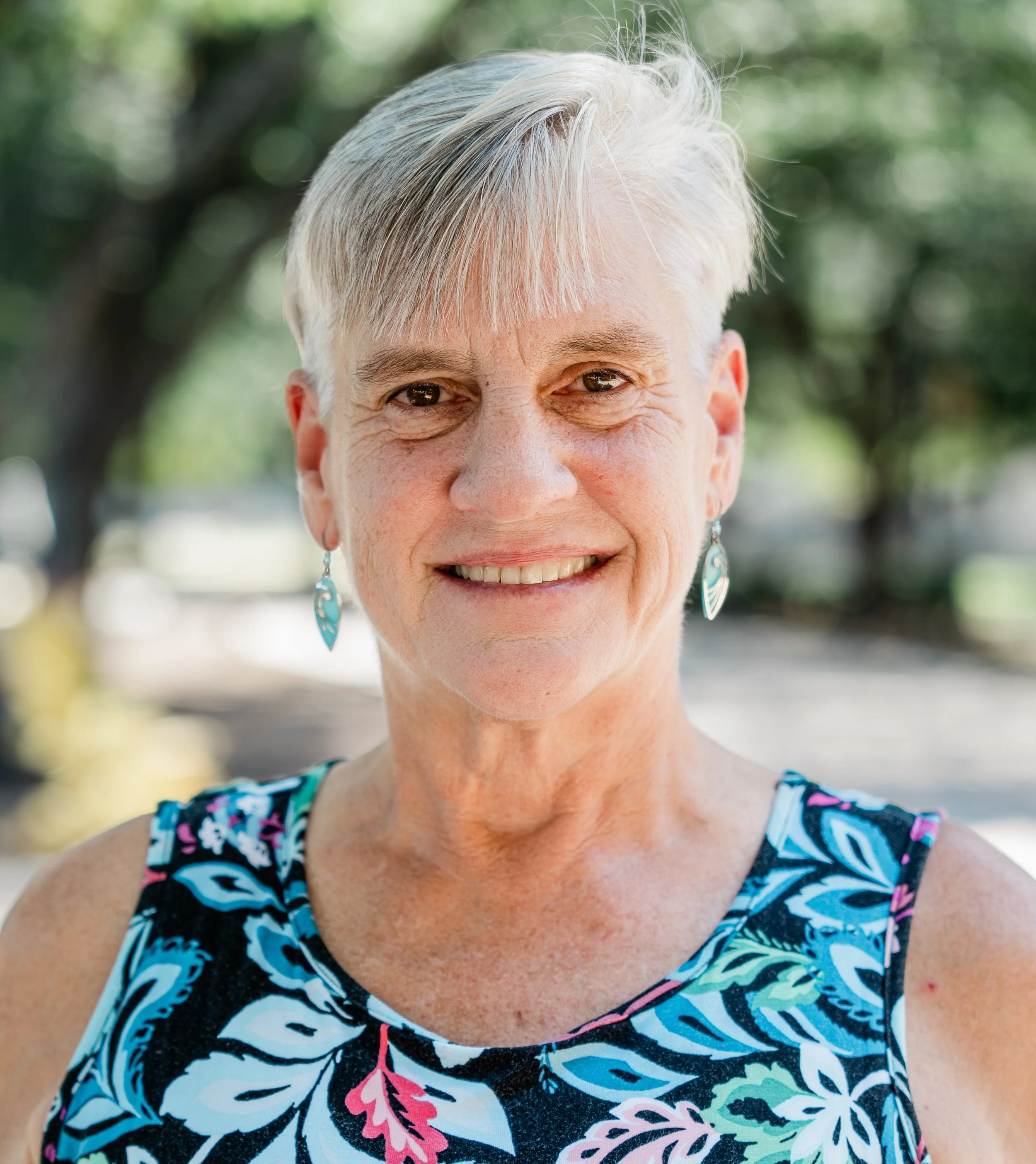
Melissa Johnson
Melissa Johnson is a Professor of Anthropology, Race and Ethnicity Studies and Environmental Studies at Southwestern University (Georgetown, Texas). Her scholarly and teaching interests center on race, gender and human-more-than human relations. Most of her research focuses on rural Afro-Caribbean Belizean Kriol communities. She has numerous ethnographic and historical publications, including her book Becoming Creole: Nature and Race in Belize Rutgers, 2019. For more information, see: https://www.southwestern.edu/live/profiles/25838-melissa-johnson
Tatiana Argüello
Tatiana Argüello is an associate professor of Spanish and Hispanic studies at Texas Christian University. She specializes in literature and cultural studies of Central America and its diaspora, particularly modernist and avant-garde poetry, war and violence, Indigenous experience, and questions of ecology and the nonhuman. She has published her work in peer-reviewed journals and academic presses. For more information, see: Profile: Tatiana Arguello
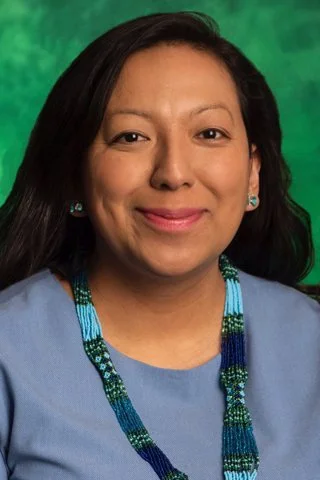
Jennifer Gómez Menjivar
Jennifer Gómez Menjívar is professor of Media Arts at the University of North Texas. Her work spans print and screen media of Central America, with special attention to ethno-linguistic identities and technological transitions. Her books include Tropical Tongues: Language Ideologies, Endangerment, and Minority Languages in Belize and Black in Print: Plotting the Coordinates of Blackness in Central America (2023), as well as the edited volume Indigenous Interfaces: Spaces, Technology, and Social Networks in Mexico and Central America (2019). For more information, see: https://mediaarts.unt.edu/people/jennifer-gomez-menjivar.html
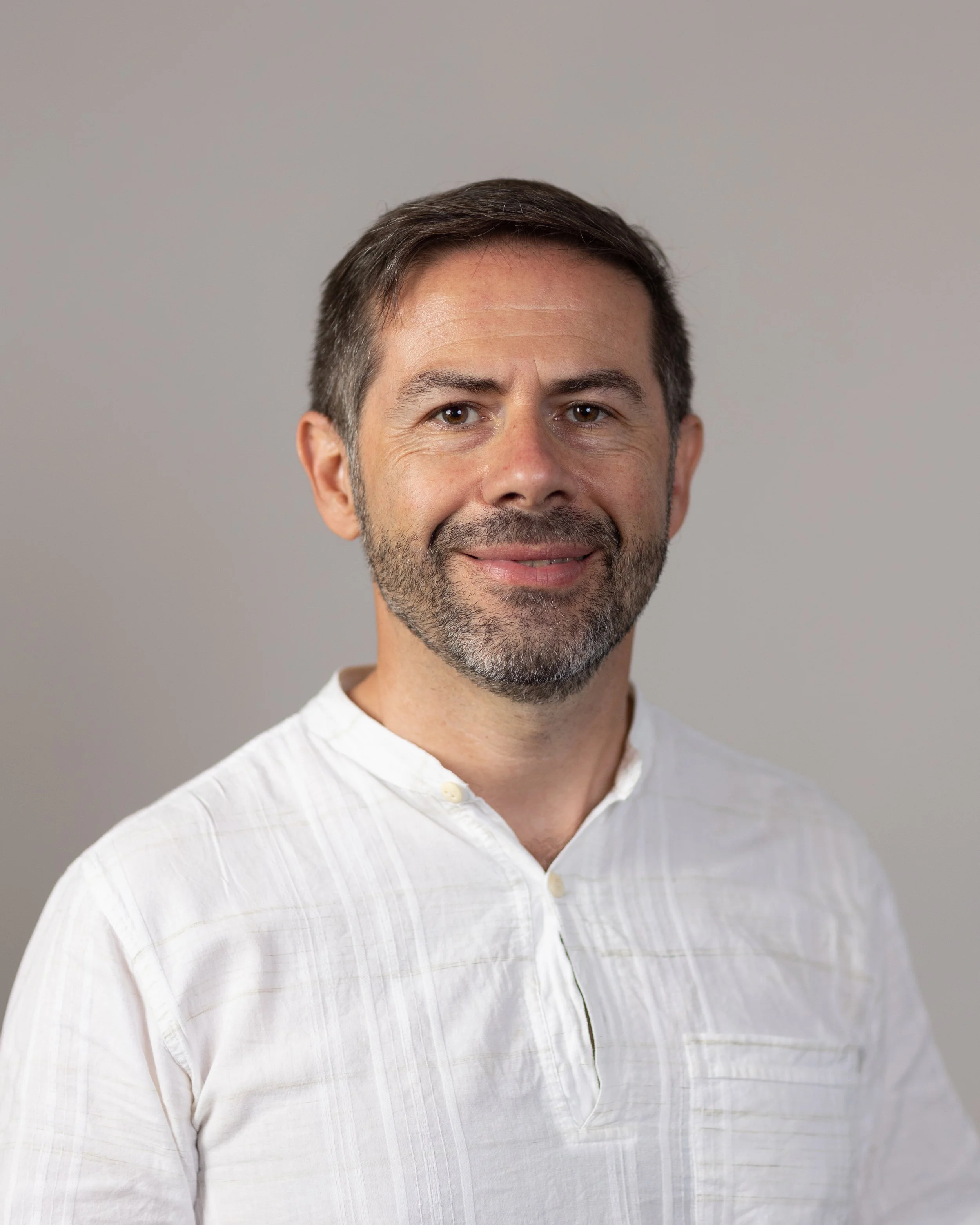
Sergio Romero
Born and raised in Guatemala City, Sergio Romero is associate professor at the University of Texas in Austin with appointments in the Lozano-Long Institute of Latin American Studies (LLILAS) and the Dept. of Spanish and Portuguese. He is also a former Freiburg Institute of Advanced Studies fellow (2025), a former Alexander von Humboldt Experienced Fellow (2018-2021) and a former Fulbright US Scholar (2022). Trained in linguistics and anthropology, his research on language change and indigenous languages is cross-linguistic, multi-sited and interdisciplinary. His interests include language variation and change, ethnicity and colonialism, semiotics and ritual, the emergence of Mesoamerican Christianity, and, more recently, Maya migration to the United States. He has written extensively on K’iche’, Kaqchikel, Q’eqchi’, Ixil and Nahuatl. His publications include Language and Ethnicity among the K’iche’ Maya published by Utah University Press and numerous journal articles and chapters in edited volumes. His latest book, an annotated Spanish translation of the Memorial de Sololá (Kaqchikel), was published in Guatemala City in January 2025.